
Building a School Repository of Voice Observation Best Practice
The Unseen Moments: Capturing the Real Story of Learning
In the bustling environment of a primary school classroom, the most profound learning moments are often fleeting. A child’s sudden gasp of understanding during a maths problem, a thoughtful question posed in a group discussion, or the collaborative breakthrough on the building rug. Traditional observation methods, with their cumbersome clipboards and time-consuming write-ups, often miss this magic. They can feel intrusive, and the pressure to document can pull teachers out of the very moment they wish to capture. But what if we could bottle that lightning? What if we could capture these authentic snippets of progress effortlessly, building a rich, evidence-based picture of learning for every child?
This is the promise of voice observations. Quick, 30-60 second audio notes allow educators to capture learning as it happens, using their most natural tool: their voice. But capturing moments is only half the story. The real transformative power lies in what you do with them next. By intentionally building a school-wide repository of voice observation best practice, you create a living, breathing resource that can elevate teaching quality, streamline professional development, and drastically reduce teacher workload.
In the rush to document outcomes, we often miss the process. True formative assessment is about capturing the journey of understanding, not just the destination.
A curated library of exemplary observations becomes the cornerstone of a coaching culture, providing a shared language and standard for what “good” looks like. It moves professional development from abstract theory to concrete, classroom-based practice. Let’s explore how your school can start building this invaluable asset today.
Why a Repository of Voice Observations is a Game-Changer
Imagine a new teacher joining your team. Instead of just handing them a policy document on assessment, you can share a playlist of ten exemplary voice observations covering different curriculum areas and year groups. Instantly, they have a tangible understanding of your school's expectations. This is just one application of a best practice repository. The benefits ripple across the entire school ecosystem, creating a powerful engine for continuous improvement.
For school leaders and administrators, it ensures consistency and quality assurance. When everyone is working from the same set of high-quality examples, the standard of observation and assessment across the school naturally rises. It simplifies moderation discussions, as you have a bank of agreed-upon exemplars to refer to. This consistency isn't just an internal metric; it translates directly into richer, more meaningful feedback for parents, strengthening the home-school connection and boosting parent engagement.
For teachers, the primary benefit is a significant reduction in workload and a boost in confidence. The mental load of figuring out what to say, how to say it, and whether it’s “right” is immense. A repository provides clear models, removing the guesswork. It also powers highly effective, low-stakes Continuing Professional Development (CPD). Staff meetings can be transformed by listening to and dissecting a few anonymised observations, discussing the language used, the curriculum links made, and the next steps identified. It’s practical, relevant, and far more impactful than a generic training session.
Defining "Good": The Anatomy of a High-Quality Voice Observation
Before you can build a repository, you need a shared understanding of what constitutes “best practice.” A great voice observation is more than just a quick recording; it's a carefully crafted piece of formative assessment. While context is key, every high-quality observation shares several core characteristics. They are objective, focusing on what the child said or did, rather than subjective interpretations. They are concise, capturing the essence of the moment without unnecessary waffle. Crucially, they are purposeful, often linking the observation directly to a specific learning objective from the EYFS framework or National Curriculum.
The most powerful observations often include the child's own voice, either directly recorded or quoted by the teacher. Hearing a child explain their thinking in their own words—“I put the big block at the bottom because it’s a stronger foundation”—is infinitely more insightful than a teacher's summary. Parent Portal’s AI-powered transcription automatically converts these audio snippets into text, making it easy to scan for these golden moments. An exemplary observation also looks forward, briefly noting a potential next step or a question to explore later, turning a snapshot in time into a stepping stone for future learning.
Concise: Is it focused and to the point (ideally 30-60 seconds)?
Objective: Does it describe what you saw and heard, avoiding judgement?
Includes Child's Voice: Have you captured the child's own words or thinking?
Curriculum-Linked: Is it tagged to a relevant EYFS or National Curriculum objective?
Identifies Next Steps: Does it suggest a direction for future learning or intervention?
Establishing these criteria as a team is the first step. Hold a staff meeting where you co-create your school’s own “best practice checklist.” This collaborative process ensures buy-in from all staff and creates a unified vision for quality assessment.
A Practical Guide: Creating Your Repository with Parent Portal
With a clear definition of quality, you can now leverage your school communication tools to build the repository. Parent Portal is designed to make this process seamless, integrating the capture, review, and organisation of observations into one efficient workflow.
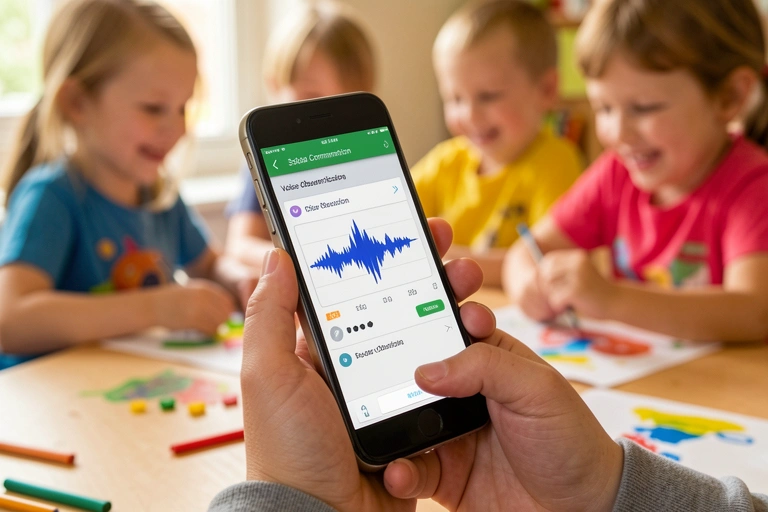
Step 1: Capture and Tag in the Moment. Equip staff to use the Voice-Recorded Observations feature on their devices. The key is to make it a habit. Encourage teachers to capture one or two high-quality moments per day. As they record, they can immediately tag the relevant children and, crucially, link the observation to curriculum objectives using the built-in EYFS & KS tools. This tagging is the foundational organising principle of your repository.
Step 2: Curate with the Approval Workflow. Not every observation needs to go into the best practice repository. Use Parent Portal’s Observation Approval Workflow as a curation gate. A subject lead, phase leader, or member of the SLT can be responsible for reviewing observations. When they spot an exemplary one that perfectly illustrates a concept or assessment point, they can flag it. We recommend creating a specific tag, such as “#BestPractice” or “#CPDExample,” that can be added to these standout observations.
Step 3: Organise and Share. Once tagged, these exemplary observations automatically form a searchable, filterable library. A teacher looking for examples of Year 2 questioning in science can simply search for observations with the relevant curriculum and #BestPractice tags. This curated collection can be used in staff meetings, for peer coaching, or during performance appraisals. You can create 'playlists' of observations to illustrate progress in a specific area, providing powerful evidence for internal and external review.
- Sarah Jones, Headteacher
This systematic process turns a simple communication feature into a powerful engine for school improvement. It's a prime example of how modern edtech, when used thoughtfully, can enhance pedagogy and professional practice.
Leveraging Your Repository for a Stronger School
A repository is not a static museum; it's a dynamic tool to be used actively. During appraisals, teachers can use their contributions to the repository to evidence their practice, linking directly to their objectives in Parent Portal’s Appraisal System. For whole-school improvement, leaders can analyse the repository to identify trends. Are there lots of great examples in reading but fewer in maths? This data can inform your school improvement plan and CPD priorities for the coming year.
Ultimately, this internal focus on quality has a direct external impact. The consistency and richness of the observations shared with parents through their child’s Student Learning Profile will skyrocket. Parents move from seeing generic updates to receiving specific, evidence-backed insights into their child’s learning. This deepens parent engagement and builds immense trust in the school's professionalism and expertise. By investing in a repository of best practice, you are not just improving teacher skills; you are investing in a more connected, informed, and effective school community.
Comments