
How to Introduce Micro Observations to Your Teaching Staff
The Shift from Marathon to Sprint in Classroom Observation
For years, classroom observation has been synonymous with lengthy, formal procedures. It often involves pre-scheduled appointments, detailed lesson plans submitted for review, and a sense of performance anxiety for teachers. While valuable, this traditional approach only captures a polished snapshot in time. But what about the countless, unscripted moments of learning that happen every single day? The breakthrough question a child asks, the sudden grasp of a difficult concept, the quiet act of kindness in the playground – these are the moments that truly define a child's journey. This is where micro-observations come in, representing a fundamental shift in how we gather evidence of learning. Instead of a marathon, think of it as a series of quick, insightful sprints.
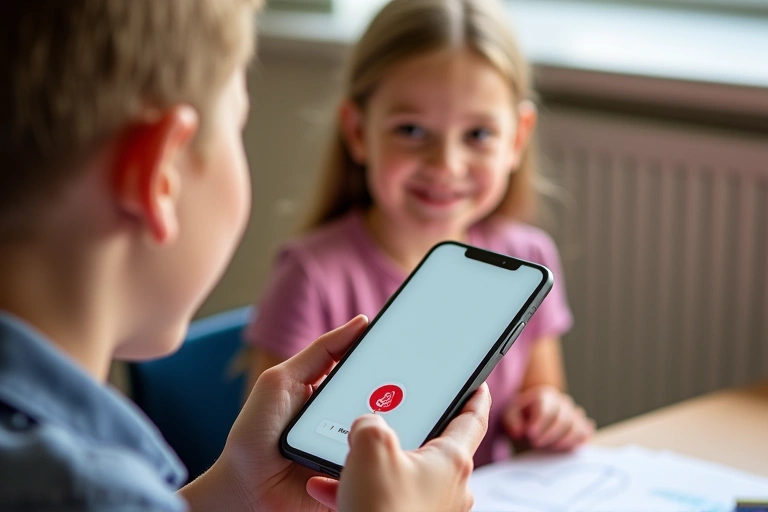
Micro-observations are brief, informal captures of student learning, typically lasting 30-60 seconds. They can be a quick voice note, a photo of a group project, or a short video of a child demonstrating a new skill. The goal isn't to judge a teacher's performance but to build a rich, authentic mosaic of each child's progress over time. By making observation a continuous, low-stakes part of the daily routine, we can reduce teacher workload associated with cumbersome paperwork and create a more dynamic, responsive teaching environment. This approach is a cornerstone of modern school communication tools and a powerful driver for meaningful parent engagement.
Why Your School Should Embrace Micro-Observations
Before introducing any new initiative, it's crucial for school leaders to understand and articulate the ‘why’. The benefits of a micro-observation culture extend to every corner of the school community. For teachers, it means swapping hours of report writing for quick, in-the-moment recording. These voice notes and media clips, captured on a simple app, become a powerful evidence bank. When it's time for parents' evenings or report writing, the information is already there, rich with context and specific examples. This directly counters burnout and helps staff focus on what they do best: teaching.
For students, the benefits are even more profound. This consistent, low-level monitoring allows teachers to identify learning patterns, strengths, and areas needing support almost in real-time. It moves assessment from a summative, end-of-unit test to a formative, ongoing conversation. When a platform like Parent Portal uses AI to analyse these observations, it can automatically highlight progress against curriculum objectives, suggesting next steps and personalising learning pathways. Finally, for parents, it opens a window into their child's school day that a generic newsletter never could. Seeing a photo of their child mastering a puzzle or hearing a voice note of them explaining their thinking builds an unparalleled home-school connection.
The most powerful insights into a child's learning journey are not found in planned performances, but in the spontaneous, everyday moments of discovery.
The transition to this model requires a strategic approach. It's not just about a new technique; it's about fostering a new culture of trust, collaboration, and continuous improvement. The right technology is essential to making this process seamless and efficient, turning a great idea into a sustainable practice.
A Step-by-Step Guide to a Successful Rollout
Introducing change requires careful planning. A rushed implementation can create resistance and misunderstandings. Follow these steps to ensure your staff feel supported and confident as you introduce micro-observations.
Step 1: Start with a Pilot Group. Instead of a whole-school rollout from day one, identify a small group of enthusiastic early adopters. This could be the EYFS team or a single year group. Let them trial the process, provide feedback, and become your champions. Their success stories and practical advice will be invaluable when you expand the initiative.
Step 2: Provide Clear Training and Purpose-Built Tools. Technology anxiety is a real barrier. Choose an intuitive platform designed for this exact purpose. Parent Portal, for example, allows teachers to record a voice observation in under a minute. Show them how the app automatically transcribes the audio, allows tagging of curriculum objectives, and shares it securely with parents after approval. The focus should be on how the tool *saves* time, not adds another task.
Our platform is designed to make micro-observations a natural part of the teaching day:
• Voice-Recorded Observations: Tap a button, record a 30-second voice note, and it's captured. AI handles the transcription.
• Photo & Video Capture: Instantly share visual moments of learning with individuals, groups, or the whole class.
• Curriculum Tagging: Link observations directly to EYFS or National Curriculum objectives with a few taps.
• AI Progress Analysis: Let our AI analyse the accumulated data to spot trends and suggest next steps, saving hours of manual work.
• Approval Workflow: Maintain quality control by reviewing all observations before they are shared with parents.
Step 3: Define Scope and Set Realistic Expectations. Be clear that the goal is not to capture every single moment. Encourage staff to aim for one or two meaningful observations per child per week. Stress that these are meant to be authentic, not perfect. Frame it as a replacement for other, more time-consuming evidence-gathering methods. This clarity helps prevent staff from feeling overwhelmed and ensures the quality of observations remains high. It's a key part of evolving your school admin software from a records database to a dynamic teaching tool.
Overcoming Hurdles and Fostering a Positive Culture
Even with a great plan, you may encounter some resistance. Common concerns include feeling scrutinised, not having enough time, or uncertainty about what to record. Address these head-on. Reassure staff that observations are for developmental purposes—tracking student progress and celebrating success—not for performance management. Use your pilot group to share real-world examples.
- Year 2 Teacher, Primary School
By demonstrating how a 30-second voice note can save 10 minutes of report writing later, the time-saving benefit becomes tangible. Share examples of great observations—not just academic achievements, but also social skills, problem-solving, and creativity. This helps build a shared understanding of what ‘good’ looks like and inspires staff to see learning opportunities everywhere.
The Future of Assessment: Intelligent, Integrated, and Insightful
Implementing micro-observations is more than a new DfE buzzword; it's a strategic move towards a more intelligent and humane approach to education. When these small data points are fed into a smart platform, their power is magnified. This is the future of edtech 2025. Imagine preparing for a parents' evening, and instead of manually collating notes, your system provides an AI-generated summary of the child's key achievements and challenges, complete with evidence from voice notes and photos. Think of report writing season, where an AI assistant drafts personalised, evidence-based comments for each child based on their unique observation history.
This isn't science fiction; it's what integrated platforms like Parent Portal are already delivering. By connecting observations to communication, progress tracking, and even parents' evening bookings, you create a seamless ecosystem that empowers teachers, delights parents, and, most importantly, provides a holistic, detailed, and ongoing picture of every child's development. Introducing micro-observations is the first step on a transformative journey to reduce teacher workload, deepen parent partnerships, and make learning truly visible.
Comments