
Creating Engaging School Newsletters That Parents Read
The Unopened Email: Why Traditional Newsletters are Fading
We’ve all been there. Hours are spent carefully compiling a weekly school newsletter. You gather updates from every department, format everything neatly, attach the PDF, and send it out to hundreds of parents, hoping for the best. Yet, the reality is often underwhelming. In a world of overflowing inboxes and constant digital noise, the traditional school newsletter is struggling to be heard. Many parents, overwhelmed by information, either skim the content or miss it entirely. The one-size-fits-all document often contains information irrelevant to their child, buried amongst pages of general announcements.
For school staff, the process can be a significant drain on resources. Chasing down contributions, wrestling with formatting, and managing mailing lists is a time-consuming task that adds to an already heavy teacher workload. The return on this investment of time and effort is often disappointingly low, leading to a cycle of disengagement on both sides. It’s not that parents don’t care; it’s that the medium is no longer effective. It’s time to rethink not just what we communicate, but how we communicate it.
From Information Dump to Engagement Hub
To create a newsletter that parents actually read, we need to shift our mindset. Instead of a simple information broadcast, think of it as a vital tool for building your school community and fostering genuine parent engagement. An engaging newsletter feels personal, relevant, and timely. It doesn’t just list events; it tells the story of your school, one week at a time.
The goal of communication is not just to inform, but to connect. It’s about building a bridge between the classroom and the home, creating a partnership in a child's education.
So, what are the key ingredients? First, make it visual. We live in a visual world, and a wall of text is an instant turn-off. Incorporating photos and short videos of students learning and participating in school life is the single most effective way to grab a parent's attention. Seeing their child engaged and happy is far more powerful than reading a paragraph about a recent science project. Second, prioritize relevance. Not every parent needs to know about the Year 2 trip to the museum. Modern school communication tools allow you to target your messages, sending updates only to the specific classes or year groups they concern. This respects parents' time and ensures they see the information that matters most to them and their child.
Leveraging Technology for Smarter Communication
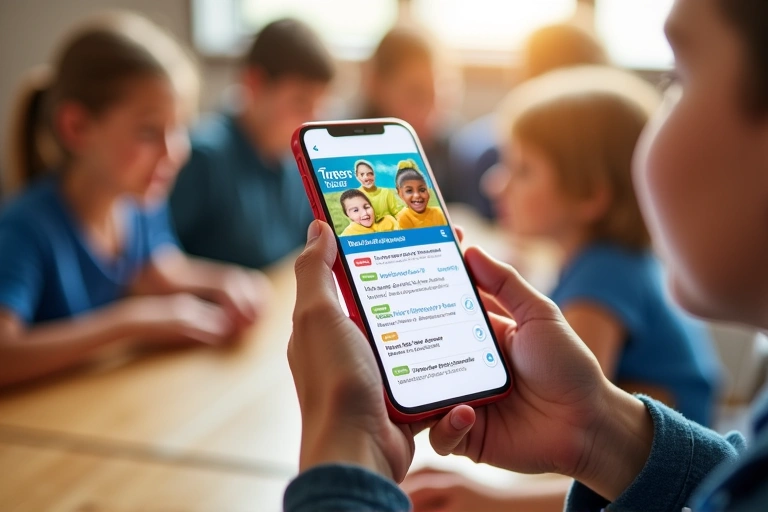
This is where modern edtech platforms transform the newsletter from a static document into a dynamic, living stream of communication. A dedicated school communication platform like Parent Portal integrates all these elements into one seamless experience, dramatically reducing teacher workload while boosting engagement. Imagine being able to instantly share a photo of a 'star of the week' or a short video clip from a fantastic drama rehearsal. Instead of waiting for a weekly roundup, parents receive these moments as they happen, delivered as push notifications directly to their phones.
The school calendar feature means parents no longer have to hunt through a long newsletter for key dates. Events, trips, and parents' evening slots are all in one central place with automatic reminders. This simple change eliminates confusion and reduces the number of administrative queries your front office has to handle. The newsletter becomes less about a long list of dates and deadlines, and more about celebrating learning and achievement. This shift empowers teachers to share positive news effortlessly, strengthening the home-school connection with every update.
With Parent Portal's School Announcement feature, you can create targeted 'mini-newsletters' in seconds. Need to remind Year 4 about their PE kits? Want to share photos from the Reception class's forest school session?
You can send these updates with photos and files directly to the relevant parents, ensuring 100% relevance and cutting through the noise of a general weekly email. It’s a more agile approach to school communication that saves valuable admin time.
These integrated systems are a cornerstone of effective school admin software, moving communication from a weekly, labour-intensive task to an ongoing, organic conversation. This is the future of school communication, aligning with the trends we expect to see defining EdTech 2025: efficiency, personalisation, and deep integration.
A Continuous Flow: Beyond the Weekly Roundup
The most successful schools are moving away from the 'weekly digest' model altogether. They understand that parent engagement is built on consistent, timely, and meaningful interactions. Instead of one large, infrequent email, they provide a steady stream of information through a dedicated app. A modern parent portal becomes the single source of truth for everything they need to know.
Consider how this impacts a parent's day. They receive a notification that their child's teacher has shared a voice-recorded observation, capturing a 'lightbulb moment' from the maths lesson. Later, they get a push alert celebrating the house points their child earned for teamwork. In the evening, they can easily check the homework assignment for the week and see the teacher's feedback on the last piece of work. This is not information overload; this is a rich, ongoing narrative of their child's school life. It is proactive, positive communication that builds trust and makes parents feel like genuine partners in their child's education.
- Sarah Kent, Headteacher
This approach transforms communication from a chore into a celebration. It moves the focus from administrative announcements to student progress and achievement. When the administrative side—like absence reporting, payments for trips, and booking parents' evening slots—is handled seamlessly within the same platform, it frees up everyone's time and mental energy to focus on what truly matters: the students.
Measuring What Matters: The Impact of Great Communication
How do you know if your new strategy is working? With traditional email newsletters, your main metric is the open rate, which tells you very little about whether the content was actually read or valued. With an integrated platform, the signs of success are far clearer and more meaningful. You'll see it in the increased number of parents booking parents' evening slots online, the reduction in late permission slips, and the positive responses to shared observations. You'll see it in the buzz around a school-wide house points competition and the increased attendance at school events.
Ultimately, the goal is to build a stronger, more engaged, and more supportive school community. When communication is easy, visual, and relevant, it lays the foundation for that community to thrive. By embracing modern school communication tools, you are not just sending a better newsletter; you are investing in a better relationship with your families, reducing staff workload, and creating a more vibrant and connected school environment for everyone.
Comments