
Micro Observations: Building a Complete Picture of Every Student
The Limits of Traditional Assessment
As educators, we know that the most profound learning moments often don't happen during a formal test or a scheduled observation. They happen in the middle of a bustling classroom, on the playground, or during a quiet moment of discovery at the art table. They are fleeting, authentic, and incredibly insightful. Yet, traditional assessment methods, with their reliance on checklists, summative tests, and time-consuming write-ups, often miss these golden nuggets of progress. We spend hours after school trying to recall these details from memory or deciphering scribbled post-it notes, all while feeling the pressure to quantify learning into neat little boxes. This process is not only a major contributor to teacher workload, but it also gives us an incomplete, snapshot view of a child's true abilities and potential.
What Are Micro-Observations?
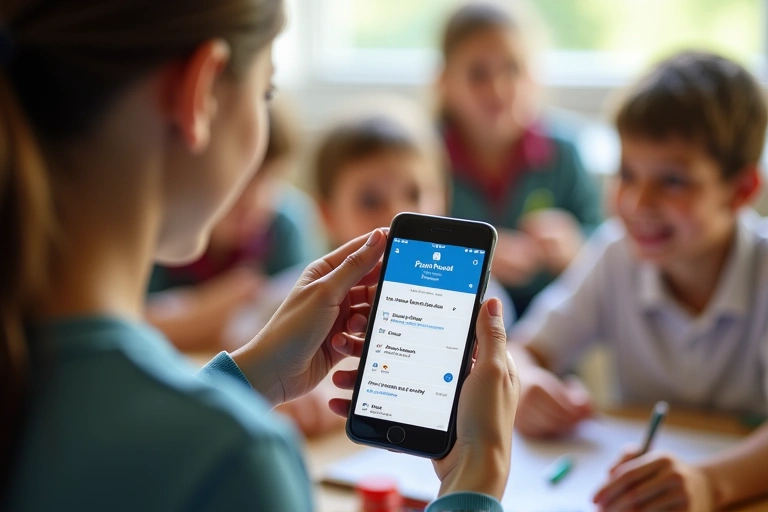
Imagine a different approach. Instead of trying to document everything in exhaustive detail, what if we could capture the essence of these learning moments as they happen? This is the core idea behind micro-observations. It’s a shift from lengthy, formal write-ups to quick, frequent, and meaningful captures of student progress. Think of them as small data points that, when collected over time, paint a vivid and detailed picture of a child’s entire learning journey. This could be a 30-second voice note of a child explaining their reasoning in maths, a quick photo of an intricate construction they built, or a short video of a group collaborating on a science experiment. These aren't meant to be comprehensive case studies; they are small pieces of evidence that, together, become something much greater.
The true measure of a student is not found in a single test score, but in the countless small steps of progress they take every single day.
By making observation lightweight and immediate, we lower the barrier to capturing progress. A teacher can record a voice note on their phone in the time it would take to find a pen. This frequency is key. A single observation is a snapshot; hundreds of micro-observations form a narrative. It allows us to track not just academic knowledge, but also the development of crucial skills like resilience, curiosity, communication, and creativity. It’s about celebrating the process, not just the outcome.
Reducing Workload While Gaining Deeper Insight
The phrase “reduce teacher workload” is used so often it can feel meaningless, but embracing a micro-observation model genuinely delivers on this promise. The old way involved juggling clipboards, sticky notes, and binders, followed by hours of typing up reports. The new way, powered by modern school administration software like Parent Portal, integrates this process seamlessly into the daily classroom flow. Recording a voice observation takes less than a minute. The note is automatically transcribed, tagged to the student, and securely stored. There’s no double-entry, no lost notes, and no need to spend Sunday evenings writing up observations from the previous week. This frees up educators to do what they do best: teach and interact with their students. The administrative burden is lifted by technology, allowing the focus to return to the child.
“I used to get a single report card in July with comments that felt quite generic. Now, with Parent Portal, I get weekly updates. Last week, I received a little voice note of my daughter counting to 20 for the first time. I could hear the pride in her voice! It’s these small, personal moments that make me feel truly connected to her school life. It’s so much more meaningful than a grade on a piece of paper.”
This efficiency doesn't come at the cost of quality; it enhances it. By capturing insights “in the moment,” the observations are more accurate and detailed. We don't have to rely on memory. The context, the child's exact words, the tone of their voice – all of it is preserved, providing a richer source of evidence than any summarised note ever could.
From Raw Data to AI-Powered Action
Collecting hundreds of micro-observations for each child is powerful, but the real magic happens when you can make sense of it all. This is where modern edtech platforms truly shine. A system like Parent Portal uses AI to analyse the accumulated observations—voice notes, photos, and teacher comments—to identify patterns, strengths, and areas for development. The platform can highlight a child’s emerging interest in a particular topic, track their progress against EYFS or National Curriculum objectives, and even suggest next steps or teaching strategies. For example, the AI might notice that a student consistently uses creative problem-solving skills in practical tasks but struggles to articulate their ideas in writing. This is an incredibly valuable insight that can inform planning and differentiation, and it's discovered automatically without requiring hours of manual data analysis from the teacher.
The accumulated data from micro-observations directly fuels our AI Report Writing Assistant. It analyses all the evidence captured for a child—voice notes, photos, and progress records—to generate unique, personalised, and evidence-based report comments. This saves teachers countless hours while ensuring every report is a true reflection of the individual child’s journey.
This AI-powered analysis extends to other areas, too. When preparing for parents' evenings, teachers have a complete, easily digestible summary of a child’s progress at their fingertips. The AI can even help generate summaries of the meetings, ensuring that actions and targets are clearly recorded and shared. This transforms assessment from a static, summative exercise into a dynamic, formative cycle of observation, analysis, and action.
Strengthening the Home-School Connection
Parent engagement is more than just newsletters and a school calendar. True engagement happens when parents feel like genuine partners in their child's education. Micro-observations are a powerful catalyst for this partnership. Sharing a photo of a child mastering a new skill or a voice note of them reading a sentence aloud has a profound impact. It opens a window into their world, making learning visible and tangible for parents. It provides specific, positive starting points for conversations at home, reinforcing what’s happening in the classroom. Instead of asking “What did you do at school today?” and getting the classic “Nothing” in response, a parent can say, “Your teacher sent me a photo of the amazing castle you built! Tell me about it.” This level of specific, shared insight is transformative for building strong home-school relationships. It shows parents that their child is seen, understood, and celebrated as an individual, building trust and a shared commitment to their success. By leveraging the right school communication tools, we can make this level of connection the new standard for parent engagement, creating a supportive community around every single learner.
Comments