
Building Student Profiles Through Micro Observations
Beyond the Clipboard: Redefining Student Observation
For decades, the foundation of formative assessment in primary schools has been observation. But traditional methods—long, scheduled observations meticulously recorded on a clipboard, later typed up and filed away—are becoming increasingly mismatched with the dynamic, fast-paced nature of the modern classroom. They are time-consuming, often capture a staged version of a child’s ability, and create a mountain of administrative work that steals precious time from teaching. It's time for a fundamental shift in how we see, capture, and use observations. Enter the concept of micro observations: the practice of capturing small, frequent, and authentic moments of learning as they happen.
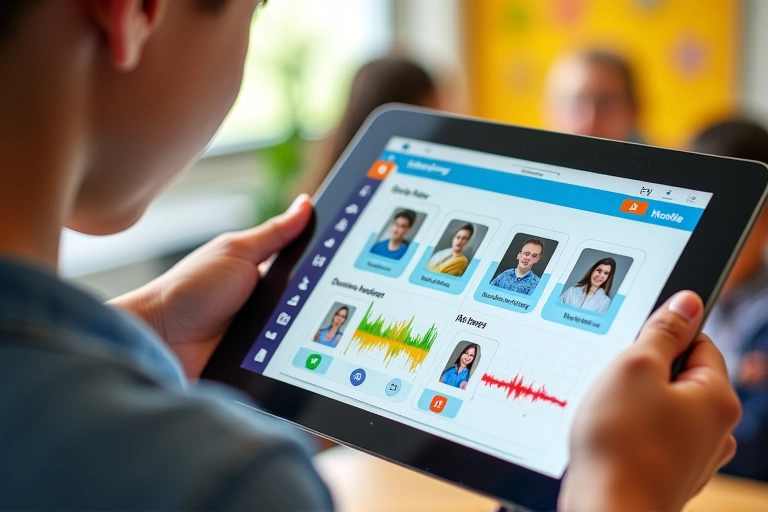
Instead of a lengthy, formal write-up, a micro observation might be a 30-second voice note of a child explaining their reasoning in a maths problem, a quick photo of an inventive construction in the block area, or a short video of a group collaborating on a science experiment. These are not about lengthy analysis in the moment; they are about capturing the raw data of learning quickly and efficiently. Platforms like Parent Portal are built around this principle, providing tools like Voice-Recorded Observations that empower teachers to capture these snippets of brilliance without breaking the flow of the lesson. This approach moves the focus from periodic, high-stakes assessment to continuous, low-stakes evidence gathering, painting a far more vivid and accurate picture of a child’s progress.
Capturing Authentic Learning in Real-Time
The true power of micro observations lies in their authenticity and frequency. A planned observation can sometimes feel like a performance, where children are acutely aware they are being watched. Micro observations, however, capture the candid, unscripted moments where true understanding is revealed. It’s the spontaneous question, the peer-to-peer teaching, the look of concentration, or the triumphant “I’ve got it!” that often tells us more about a child’s journey than a worksheet ever could. By capturing these moments, teachers build a rich tapestry of evidence over time, rather than relying on isolated snapshots.
This method significantly reduces teacher workload. Instead of trying to recall key moments at the end of a busy day or week, the evidence is captured in real-time with minimal effort. A quick tap on a tablet is all it takes. This consistent stream of data provides a much more reliable foundation for assessment and planning. It allows educators to track progress longitudinally, seeing not just where a student is, but the small steps they took to get there. It’s about celebrating the process, not just the final product, and recognising that learning happens in countless small increments every single day.
Data is just noise until you find the melody within it. Micro observations provide the notes, and AI helps us hear the music of a child's learning journey.
This accumulation of small data points might seem overwhelming, but this is where modern school communication tools become indispensable. The challenge isn't just capturing the data, but making sense of it. This is where technology seamlessly bridges the gap between observation and actionable insight, transforming a collection of moments into a coherent narrative of growth.
Connecting the Dots: How AI Transforms Data into Insight
A library of hundreds of photos and voice notes is valuable, but its true potential is unlocked when we can analyse it for patterns and progress. This is a task that would be impossible for any teacher to do manually. This is where Parent Portal’s AI-Powered Progress Analysis comes in. The platform’s intelligent systems analyse accumulated observations, automatically transcribing voice notes and tagging evidence against specific EYFS or National Curriculum objectives. The AI can identify recurring themes, highlight areas of consistent strength, and flag concepts a child may be struggling with.
This powerful analysis provides teachers with automated summaries highlighting each child's progress, their preferred learning styles, and even suggests potential next steps or teaching strategies. Imagine preparing for report writing and having an AI assistant that has already synthesised months of observational data into unique, evidence-based comments. The AI Report Writing Assistant does just that, turning a time-consuming administrative task into a meaningful review of a child's journey, backed by a wealth of authentic evidence. This isn't about replacing the teacher's professional judgement; it's about augmenting it with powerful tools that save time and deepen understanding.
A complete, chronological history of all observations (voice, photo, video).
Progress automatically tracked against EYFS, ELGs, and National Curriculum objectives.
A visual timeline of achievements and learning moments for easy review.
AI-generated summaries highlighting strengths, development areas, and next steps.
The end result of this process is a dynamic, living profile for every single student. This profile is more than a set of grades or a static report; it's a rich, multimedia story of their time at school. It becomes the single source of truth for understanding a child’s development, invaluable for teacher planning, handover meetings, and, crucially, for engaging parents in the learning process.
Sharing the Journey: Engaging Parents Like Never Before
One of the most profound benefits of building student profiles through micro observations is the ability to strengthen the home-school connection. For too long, parent communication has been limited to formal parents' evenings and end-of-term reports. While important, these offer only a narrow glimpse into a child's life at school. Sharing curated micro observations through a secure platform like Parent Portal opens a daily window into the classroom. With a simple approval workflow, teachers can share a moment of success directly with a parent in near real-time.
- Laura B., Year 1 Teacher
This proactive sharing transforms parent engagement from a reactive to a proactive partnership. Parents feel more connected and involved, able to have more specific and meaningful conversations with their child about their day. When it comes to parents' evening, the discussion is no longer based on a gradebook alone. Teachers can pull up the student's digital profile and walk parents through a timeline of photos, play voice notes of their child explaining their thinking, and show clear evidence of progress over the term. It creates a collaborative, evidence-based conversation focused on celebrating achievements and agreeing on future targets.
The Future of Assessment: Smarter, Not Harder
The shift towards micro observations, powered by intelligent school admin software, represents a significant step forward for education. It is a model that respects the professionalism of teachers by providing them with tools that reduce workload and enhance their ability to understand and support every child. It creates a richer, more holistic view of student progress that goes far beyond test scores. It fosters a stronger, more transparent partnership between school and home. As we look towards edtech in 2025 and beyond, the integration of AI-driven, time-saving tools into core school processes will become the standard. By embracing this change, schools can move away from burdensome administrative tasks and refocus their energy on what truly matters: fostering a love of learning in every child.
Comments