
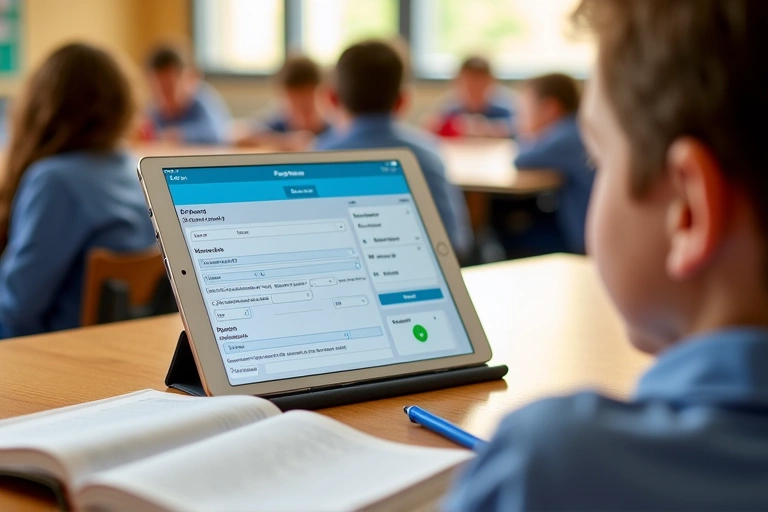
English Homework: Digital Assignment and Feedback Systems
The End of the Endless Marking Pile?
For any primary school teacher, the phrase "English homework" can conjure images of a towering pile of exercise books, a trusty red pen, and hours spent scribbling corrections and comments. While essential for reinforcing learning, the traditional homework cycle is notoriously time-consuming. From differentiating tasks for a diverse classroom to providing timely, meaningful feedback, the administrative burden can be immense. It can often feel like a battle against the clock, one that detracts from the high-impact work of planning and teaching. But what if technology could fundamentally reshape this process, turning a workload challenge into a powerful opportunity for learning and engagement?
The shift towards integrated digital platforms is about more than just going paperless. It's about creating a connected ecosystem where homework is assigned, completed, and assessed within a single, streamlined workflow. Modern school administration software is evolving into a comprehensive teaching and learning tool, designed specifically to reduce teacher workload and amplify impact. By embracing digital assignment and feedback systems, schools can reclaim precious time, deliver more personalised learning, and build stronger home-school partnerships. This isn't just a futuristic vision for EdTech in 2025; it's a practical reality available to schools today.
Smarter Assignment, Deeper Learning
The foundation of effective homework is the task itself. Creating engaging, differentiated activities that cater to every student's needs is a significant challenge. This is where modern school communication tools with built-in academic features begin to shine. Imagine creating and distributing a week's worth of English homework in minutes, not hours. With a platform like Parent Portal, teachers can create assignments with detailed instructions, set clear due dates, and attach resources like PDFs, videos, or web links, all from one central hub.
The real game-changer, however, is the integration of AI teaching assistants. Instead of spending an hour searching for the right text and writing comprehension questions, you can use an AI-powered Comprehension Generator. Simply specify the topic, reading age, and desired question types (e.g., retrieval, inference), and the tool generates a complete exercise in seconds. Need a quick activity on using fronted adverbials or apostrophes for possession? The SPAG Tools can produce targeted practice exercises tailored to your class's current learning objectives. This ability to instantly generate high-quality, differentiated content not only saves an incredible amount of time but also ensures that every child receives work that is both challenging and accessible, promoting genuine progress.
Effective feedback is not just about correcting mistakes; it's about opening a dialogue that inspires the next step in a student's learning journey.
This digital approach also solves the perennial problem of the lost homework sheet. Assignments are delivered directly to parents' and students' devices via the app, complete with automated reminders. This immediate and reliable communication ensures that everyone is on the same page, reducing classroom disruption and increasing accountability.
The Feedback Revolution: From Correction to Conversation
Marking is often the most time-intensive part of the homework process. Providing thoughtful, constructive feedback that students will actually read and act upon is a pedagogical art form. However, when faced with 30 books, the ideal often gives way to the achievable: ticks, crosses, and brief, generic comments. Digital submission systems completely transform this feedback loop. Students can submit their work by typing a response, uploading a file, or even submitting a photo of their handwritten work. This flexibility is key.
Once submitted, the work appears in the teacher's digital mark book. Here, feedback can be provided in a variety of ways. Teachers can type detailed comments, link feedback to specific curriculum objectives, and even use AI-powered Feedback Generators to get a head start. These tools can analyse a piece of writing and suggest constructive feedback that highlights strengths and provides clear, actionable next steps. This doesn't replace the teacher's professional judgement; it augments it, allowing educators to provide richer, more personalised feedback to more students in less time. Because the feedback is delivered digitally, it creates a permanent, accessible record. Parents can see the comments alongside the original task, helping them understand how to support their child's learning at home.
Our integrated homework management system is designed to minimise workload and maximise impact:
- AI Task Generation: Instantly create differentiated tasks for Comprehension, SPAG, Maths, and more.
- Digital Assignment: Assign work with due dates and attached resources, delivered instantly to parents' phones.
- Flexible Submission: Students submit work via text, file upload, or photo.
- Efficient Feedback: Provide typed comments and use AI tools to generate constructive feedback.
- Parent Visibility: Parents see all assignments, submission status, and teacher feedback, keeping them in the loop.
This shift makes feedback less of a final judgement and more of an ongoing conversation. It moves the focus from simply correcting work to actively improving it. The improved efficiency is a core part of how a well-designed school admin software can directly reduce teacher workload while simultaneously improving the quality of teaching and learning.
Building Bridges with Parents Through Technology
Parent engagement has a proven and positive impact on a child's academic success. Yet, traditional homework offers limited opportunities for meaningful involvement. Parents often only see the final grade, with little context on the task or the feedback. Digital homework systems create unparalleled transparency. Through a parent app, parents have a dedicated window into their child's learning. They can see upcoming homework, review submitted work, and read the teacher's feedback in real-time. This visibility empowers them to take a more active role. They're no longer just asking, "Have you done your homework?" but can engage in specific conversations: "I see your teacher suggested you use more powerful verbs in your story. Let's think of some together."
This seamless flow of information is a cornerstone of modern school communication tools. When parents are informed, they are better equipped to provide support. They understand the expectations and can reinforce the learning at home. This collaborative approach fosters a sense of partnership between home and school, creating a supportive network around the child. For schools, this proactive communication reduces the volume of queries from parents and builds a culture of trust and transparency.
- Mrs. Davies, Primary School English Lead
Ultimately, a connected system benefits everyone. Teachers save time, students receive better and faster feedback, and parents become active partners in their child's education. This trifecta of benefits demonstrates the profound potential of integrating academic tools within a whole-school communication platform. It's how smart EdTech helps build a stronger school community, one assignment at a time.
Comments