
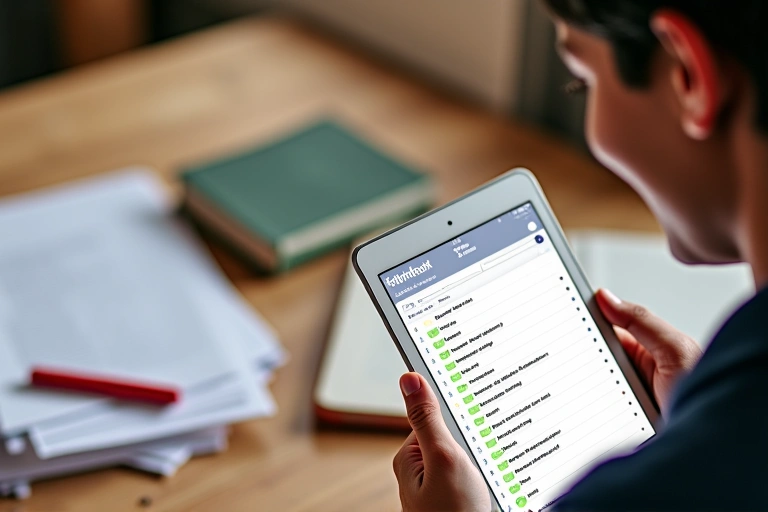
The Evolution of Homework Management: From Paper to Platform
From Paper Piles to Digital Dashboards
Remember the days of the dog-eared worksheet, the frantic search for a lost exercise book, and the sheer weight of a school bag filled with textbooks? For generations, this was the reality of homework. While the intention was always sound—to reinforce classroom learning and foster independent study—the administrative process surrounding it was often fraught with challenges for teachers, students, and parents alike. The paper trail was long, inefficient, and often, a source of frustration for everyone involved. Photocopier jams, ink shortages, and the time spent distributing and collecting sheets were just the beginning. The real workload came after the bell, with mountains of marking that consumed evenings and weekends. But today, the landscape of education is shifting. The evolution from paper to platform is not just changing how homework looks; it's fundamentally redefining its role, its efficiency, and its impact on the entire school community.
The Problems with the Paper Trail
Before we can appreciate the arival of modern solutions, it’s important to understand the deep-seated issues with traditional homework management. For teachers, the workload was immense. The cycle of planning, printing, distributing, collecting, marking, and returning was a relentless administrative drain. Differentiating tasks for a class with a wide range of abilities meant creating multiple versions of the same worksheet, adding yet another layer of preparation. This heavy burden on time and resources directly impacts a teacher's ability to focus on what truly matters: planning inspiring lessons and providing individual support.
For students, the paper system presented its own obstacles. A forgotten homework diary or a lost worksheet could lead to missed learning opportunities and unnecessary stress. The static nature of a printed page offered little room for creativity or dynamic engagement, often turning homework into a chore to be completed rather than an opportunity to explore a topic further. For parents, the school bag was often a black hole. They had limited visibility of what their child was assigned, when it was due, or how they were performing. This lack of transparency made it difficult for them to provide the right support at home, creating a disconnect between home and school learning environments.
Meaningful feedback is more than a grade; it is dialogue in action. Its purpose is to close the gap between current performance and future potential.
The first digital steps, such as using VLEs or email to send instructions, were a move in the right direction but often created a new kind of fragmentation. Parents had to juggle multiple logins, emails got buried in crowded inboxes, and submission processes remained clunky. The need for a truly integrated system became clear—a single platform where the entire homework lifecycle could be managed seamlessly.
A New Chapter: Integrated Homework Management
This is where comprehensive school communication tools like Parent Portal come in, marking the next significant leap in the evolution of homework. By integrating homework management into a wider school platform, the entire process becomes streamlined, transparent, and significantly more powerful. It’s no longer about simply digitising a worksheet; it’s about creating a connected ecosystem. Teachers can create and assign homework tasks with just a few clicks, attaching resources, links, and detailed instructions. Due dates are logged automatically in the school calendar, and push notifications ensure both students and parents are aware of their responsibilities. This centralisation eliminates the classic “I lost it” or “I didn’t know it was due” excuses, fostering greater accountability.
– Sarah Jones, Headteacher, Oakwood Primary School.
This integrated approach also opens the door for richer, more varied assignments. Instead of just a worksheet, a task can now include watching a video, engaging with an interactive quiz, or collaborating on a digital document. Students can then submit their work just as easily, by uploading a photo of their practical work, attaching a file, or typing a response directly into the app. This flexibility caters to different learning styles and makes homework a more engaging experience.
Unlocking Efficiency with AI-Powered Tools
Perhaps the most exciting development in modern homework management is the introduction of artificial intelligence. This technology is a game-changer for tackling one of the biggest challenges for educators: differentiation. Parent Portal's AI-Generated Homework Tasks feature is designed specifically to reduce teacher workload in this area. A teacher can simply input the topic, year group, and key learning objectives, and the AI will generate age-appropriate, curriculum-aligned activities in seconds. It can produce different variations of a task to cater to varying ability levels, a process that would have previously taken hours of manual planning.
The power of AI extends to feedback, too. Providing timely, constructive feedback is crucial for student progress, but it's also incredibly time-consuming. With Parent Portal's Feedback Generator, teachers can receive AI-assisted suggestions for comments on student work. The tool analyses the submission and helps craft feedback that is encouraging, specific, and highlights clear next steps. It doesn’t replace the teacher's professional insight but acts as a highly effective assistant, ensuring feedback is both high-quality and efficiently delivered. This is a prime example of how edtech 2025 is shaping up to support, not replace, great teaching.
Strengthening the Home-School Connection
One of the most profound benefits of a modern homework platform is its impact on parent engagement. By giving parents a clear window into their child's homework, platforms like Parent Portal transform them from passive observers into active partners in their child's education. Through the app, parents can see exactly what homework has been assigned, access the same resources their child sees, view submission statuses, and read teacher feedback. This level of transparency empowers them to provide targeted support at home. It ends the nightly guessing game and facilitates more meaningful conversations about schoolwork. When parents are informed and involved, the results are consistently positive, leading to improved student outcomes and a stronger, more collaborative school community.
• Create & Assign: Digitally set homework with due dates and resources.
• AI Homework Generator: Instantly create differentiated tasks for any subject.
• Digital Submission: Students submit via photo, file, or text.
• AI Feedback Assistant: Generate constructive feedback in seconds.
• Parent Visibility: Parents see all tasks, deadlines, and feedback in the app.
The Future of Homework is Smart, Not Hard
The journey from paper piles to intelligent platforms signals a fundamental Rethink of homework’s purpose and process. The ambition is no longer simply to send work home; it's to create meaningful, manageable, and measurable learning experiences that reinforce what happens in the classroom. By leveraging powerful school communication tools and intuitive school admin software, we can finally solve the administrative puzzle that has plagued educators for decades. When technology handles the logistics—the distribution, the reminders, the collection, and even assists with differentiation and feedback—it frees teachers up to do what they do best: teach. The future of homework isn't about more work; it's about smarter work. It's a future that is more efficient for teachers, more engaging for students, and more collaborative with parents, creating a stronger foundation for learning for everyone.
Comments