
Messaging Tools for Supporting Vulnerable Students During Closures
The Unseen Challenge of School Closures
For most students, a school closure might mean an unexpected break or a shift to remote learning. But for a vulnerable child, it can mean the sudden disappearance of a vital safety net. Schools are more than just places of learning; they are stable, predictable environments that provide routine, support, and for some, a sanctuary. When the school gates close, whether due to a snow day, structural issue, or public health emergency, the daily face-to-face check-ins and subtle observations that teachers naturally perform vanish. This communication blackout can leave the most at-risk students isolated and disconnected from the very people dedicated to their welfare.
Historically, schools have relied on phone calls and emails to bridge this gap, but these methods are often slow and inefficient. A phone call can go unanswered, and an email can sit unread in a crowded inbox. For safeguarding and pastoral teams, this lack of immediacy is a serious concern. The pressure on teachers to maintain these connections often leads to the use of personal devices or multiple third-party apps, creating a messy, insecure, and unsustainable communication web that blurs professional boundaries and adds to an already significant workload.
From Broadcast to Lifeline: The Power of Secure Messaging
Modern school communication platforms have evolved far beyond simple announcement tools. They offer a direct, secure, and immediate channel that can become a lifeline for vulnerable families during a closure. A dedicated platform like Parent Portal transforms how schools can provide proactive, rather than reactive, support.
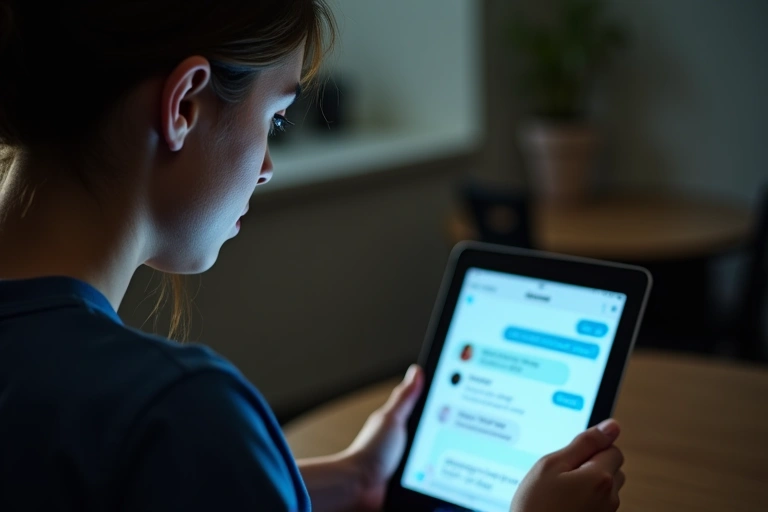
Imagine being able to send a quick, private message directly to a specific parent or carer to check in. It’s personal, it’s secure, and it’s instantaneous. Unlike a generic email, an in-app message with a push notification demands attention. Features like read receipts provide a simple but powerful form of passive welfare monitoring; if a parent who is normally responsive suddenly stops opening messages, it can be an early indicator that a follow-up is needed. This isn't about surveillance; it's about connection and ensuring no one falls through the cracks.
Maintaining a line of sight on a child’s wellbeing doesn’t stop when they are not on school premises; it just requires better tools.
Furthermore, communication can be targeted with surgical precision. Pastoral leaders can create private groups for specific children receiving support, allowing them to share tailored resources, offer encouragement, or coordinate with external agencies without alerting the entire school community. A teacher can send a short, reassuring video message to a child known to suffer from anxiety, or share a photo of their work from the previous week to maintain a sense of continuity and value. This is the human side of edtech 2025—using technology to strengthen, not replace, human connection.
"During the unexpected closure last winter, Parent Portal was our central nervous system. Our DSL was able to create a ‘check-in’ group for our most vulnerable families. Teachers sent daily ‘good morning’ messages and parents could reply privately if they had a concern. We knew instantly who had seen our messages. It meant we could focus our welfare calls where they were truly needed. It wasn’t just a school communication tool; it was our safeguarding front line."
This targeted approach ensures that support is relevant and discreet, respecting family privacy while delivering essential care. It shifts the dynamic from a one-way information broadcast to a two-way supportive conversation, which is critical when normal face-to-face contact is impossible.
An Integrated Ecosystem of Support
Effective messaging doesn't operate in a vacuum. Its true power is unleashed when it's part of an integrated school admin software platform where different functions work together. A concern raised in a private message needs a clear, secure pathway to become a formal record.
This is where integrated safeguarding features are indispensable. A teacher who receives a worrying message from a parent can instantly log a safeguarding concern directly within the platform. The system automatically time-stamps the entry, attaches the relevant message history, and notifies the Designated Safeguarding Lead (DSL) immediately. This creates a robust, chronological record that is essential for managing concerns effectively and ensuring compliance. All access is restricted to authorized personnel, guaranteeing confidentiality.
- Secure Two-Way Messaging: Direct, private lines of communication between designated staff and parents.
- Targeted Group Communication: Create secure groups for pastoral teams to share resources and coordinate support.
- Read Receipts: Passively monitor engagement as an early welfare indicator.
- Integrated Safeguarding Logs: Instantly record concerns from messages, creating a secure and auditable trail for DSLs.
- Digital Rewards System: Maintain positive reinforcement and celebrate small successes from a distance to boost morale.
This integration extends to other areas of school life. Maintaining a sense of normalcy is crucial for all children, but especially for those who thrive on routine. Using the platform to continue awarding digital house points or celebrating achievements helps maintain a positive school culture. A notification celebrating a ‘Star of the Week’ for excellent remote engagement can be a powerful motivator and a moment of pride for a family under stress. It reinforces the idea that school is still there, still watching, and still cares.
Reducing Teacher Workload While Increasing Impact
Adopting new technology can often feel like adding another task to a teacher's endless to-do list. However, a well-designed school communication platform should do the opposite: reduce teacher workload and increase their effectiveness. By centralising all communications, it eliminates the need for teachers to juggle different apps or use personal devices.
All parent-teacher conversations are logged and stored in one place, providing a clear history and context for any future interactions. This is invaluable for pastoral handovers or when preparing for reviews. Instead of a teacher spending an hour making welfare calls, they can send a personalised check-in message to ten families in a fraction of the time and then focus their attention on those who don't respond or who raise a specific need. This smarter way of working allows staff to direct their precious time and expertise where it is most impactful.
Ultimately, school closures are an ongoing reality. Having the right school communication tools in place is no longer a luxury but a fundamental component of a modern, resilient school's safeguarding and pastoral strategy. By embracing integrated platforms, schools can ensure that even when the building is closed, the community remains open, connected, and ready to support every single child.
Comments