
Push Notifications That Parents Actually Want to Receive
The Double-Edged Sword of the Digital Ping
In the symphony of a modern parent's life, the chime of a push notification is a constant refrain. It can be a welcome note—a message from a loved one, a timely reminder—or it can be a jarring interruption. For schools, this presents a significant challenge. How do you ensure your important messages are heard without contributing to the digital noise that causes parents to tune out, or worse, turn off notifications entirely? The era of generic, one-size-fits-all communication is over. Today, effective parent engagement isn't about sending more messages; it's about sending the right messages. It’s about delivering push notifications that are so timely, relevant, and personal that parents actually look forward to receiving them. This is the new standard for school communication, and it's more achievable than you might think.
Beyond the Blurring Lines of Communication
The problem is 'notification fatigue'. When parents receive a constant stream of low-value alerts, they become desensitised. A notification about a bake sale carries the same digital weight as an urgent school closure alert, leading to a landscape where everything is urgent and therefore, nothing is. To cut through this, we must understand the anatomy of a perfect push notification. It’s not just a short piece of text; it's a carefully crafted piece of communication that respects the parent’s time and attention. The perfect notification is, above all else, relevant. Sending a reminder about a Year 6 trip to the parents of a Reception child is a fast track to the ‘mute’ button. Modern school communication platforms like Parent Portal solve this by design, allowing you to target announcements to specific year groups, classes, or even custom groups of students. This simple act of targeting transforms a potential annoyance into a helpful piece of information.
Next is timeliness. A notification about a snow day is useless if it arrives after parents have already left for the school run. Equally, a reminder about a non-uniform day sent at 10 PM the night before creates stress, not convenience. An effective system differentiates between instant, urgent alerts and scheduled, convenient reminders. Finally, a great notification is often actionable. It prompts a simple, clear action, like booking a parents' evening slot, giving permission for a trip, or viewing new homework. When a parent knows that a notification from school often requires a quick, easy task they can complete in moments, they are far more likely to engage with it promptly.
A single, personal notification about a child's small victory is worth more than a hundred generic school newsletters.
This sentiment gets to the heart of what truly drives engagement. While logistical and administrative messages are necessary, it is the personal updates that build the powerful home-school connection that every school strives for. This is where cutting-edge school admin software really shines, moving beyond simple messaging into the realm of meaningful partnership.
The Hierarchy of Alerts: Urgent, Important, and 'Wow'
Not all notifications are created equal. To build a successful communication strategy, it helps to think in tiers. At the top are the Urgent and Essential alerts. These are your non-negotiables: emergency school closures, lockdown procedure alerts, or an automated notification that a child has been marked absent without explanation. These are the alerts that provide parents with peace of mind, knowing they will be contacted instantly when it matters most. Below this, we have the Important and Actionable tier. This includes reminders to book parents' evening appointments, notifications about upcoming payment deadlines for clubs or trips, and requests to complete digital permission forms. These messages are the lifeblood of school administration. They help parents stay organised and on top of their responsibilities, while simultaneously reducing the administrative burden on school staff who would otherwise be chasing paper forms and payments.
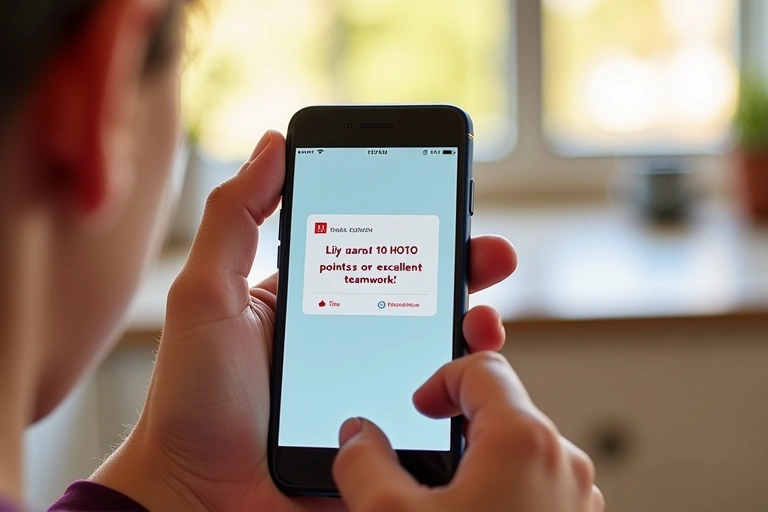
The final, and perhaps most powerful, tier is the Personal and Engaging notification—the 'wow' moments. This is what transforms a functional school app into a cherished window into a child's day. Imagine a parent receiving a push notification with a photo of their child proudly holding up their artwork, a 30-second voice note from the teacher describing a moment of kindness in the playground, or a simple alert saying, "Leo just earned 10 house points for fantastic listening!" This is the content that sparks conversations at the dinner table. It provides parents with specific, positive talking points and makes them feel deeply connected to their child's school experience. Platforms that integrate student observations, digital rewards, and direct messaging make these moments easy for teachers to capture and share, turning everyday school life into a rich tapestry of shared achievements.
Modern school communication tools like Parent Portal allow you to target announcements to specific year groups, classes, or even custom sets.
This fundamental feature is key to reducing notification noise and ensuring every message sent is relevant.
It directly improves parent engagement and is a core principle of school admin software designed to reduce teacher workload and streamline communication.
Empowering Parents and Reducing Teacher Workload
The ultimate goal is to create a system so effective that parents never want to turn notifications off. A huge part of this is giving them control. The best platforms allow parents to customise their notification preferences, choosing if they want an instant push alert for a new direct message, but perhaps only an end-of-day email digest for new homework assignments. This respect for user preference is critical. Furthermore, supporting modern family structures is essential. Features that allow multiple parents or carers to link to a single child's account with separate logins ensure that all responsible adults are kept in the loop, which is vital for effective safeguarding and co-parenting.
Crucially, this parent-centric approach has a profound impact on teacher workload. When parents can self-report an absence directly in an app, which then automatically updates the digital register, it saves the school office countless hours each week. When parents' evening bookings and club payments are handled automatically online, it frees up staff from mountains of administrative work. When a teacher can record a quick voice note observation while on the move, which is then automatically transcribed and shared with parents, it makes evidence-based reporting effortless. And when AI tools can help generate differentiated homework tasks or draft report comments based on this accumulated data, teachers get back their most valuable resource: time to teach. The right push notification isn't just a message; it's the final, simple step in a series of highly efficient, automated workflows that benefit the entire school community.
- Sarah Jones, Headteacher, Oakwood Primary School
The Future is Smart, Not Loud
As we look towards EdTech in 2025 and beyond, the trend is clear: the future of school communication is smart, not loud. It's about using technology to foster genuine connections, not just to broadcast information. By focusing on notifications that are targeted, timely, and personal, schools can break through the digital noise and deliver communication that parents value. A push notification can be so much more than a reminder or an announcement. It can be a celebration, a word of encouragement, a window into a moment of discovery, and a vital tool in building a thriving, engaged, and connected school community. Choosing a platform that understands this philosophy is one of the most important decisions a school leader can make.
Comments