
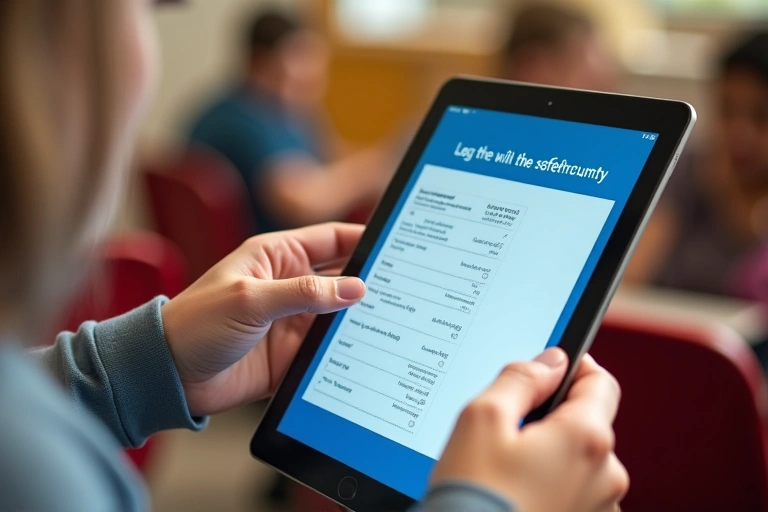
Safeguarding in the Digital Age: Recording and Tracking Concerns
Every School's Primary Duty
In the world of education, few responsibilities carry more weight than safeguarding. The legal and moral obligation to protect children from harm is woven into the very fabric of school life. Yet, the systems we use to fulfil this duty are often a patchwork of paper files, siloed spreadsheets, and disjointed digital documents. In an era where information moves at the speed of a click, these traditional methods are not just inefficient; they can be a significant risk. The Keeping Children Safe in Education (KCSIE) guidance places huge emphasis on meticulous record-keeping, and for good reason. A well-kept record is not just a compliance exercise; it is a vital tool in protecting a child. This raises a critical question for all school leaders: are your safeguarding processes truly fit for purpose in the digital age?
The Pitfalls of Paper Trails and Disjointed Systems
For many schools, the central safeguarding record is a locked filing cabinet, filled with binders and paper forms. While physically secure, this system has profound limitations. Paper records are vulnerable to fire, flood, and loss. Finding a specific entry can involve manually sifting through hundreds of pages, a process that is slow, frustrating, and prone to error. More importantly, it is nearly impossible to spot developing patterns of concern when information is scattered across different forms, in different binders, recorded by different people. A seemingly minor worry logged in September can be easily forgotten by February, but it might be a crucial piece of a much larger puzzle.
Even schools that have moved beyond paper often face similar challenges with digital but disconnected systems. A concern might be emailed to the Designated Safeguarding Lead (DSL), stored in a Word document on a shared drive, or noted in a spreadsheet. This creates digital silos. Information is not centralised, access is difficult to control and audit, and building a single, chronological view of a child's history is a time-consuming administrative nightmare. During a high-stress situation or an Ofsted inspection, the pressure to collate this fragmented information can be immense, taking valuable time away from the real work of supporting children.
Building a Fort Knox for Your Safeguarding Data
Modern school admin software changes the game entirely by providing a single, secure, and centralised platform for all safeguarding concerns. An effective digital system is built on several core principles that directly address the weaknesses of traditional methods. First and foremost is security. Access must be strictly controlled through role-based permissions, ensuring only authorised staff, like the DSL team, can view sensitive information. Features like two-factor authentication add another critical layer of protection. Second is the creation of a complete chronology. Every entry, for every child, should be automatically time-stamped and logged in sequence, creating an unalterable history that can be reviewed at a glance. Finally, a robust system must have a detailed audit trail. This means every single action—who logged a concern, who viewed it, who added a note—is recorded and cannot be deleted. This level of transparency and accountability is essential for meeting compliance standards and creating a culture of rigour.
The welfare of the child is paramount. Every decision, every record, and every action must be guided by this fundamental principle.
By embedding these principles into a single platform, schools can move away from reactive record-keeping towards a proactive system of child protection. The technology handles the structure, security, and organisation, freeing up DSLs to focus their expertise on interpretation and action. It transforms the safeguarding record from a static archive into a dynamic, living resource that actively supports the welfare of every child.
From Observation to Action: A Modern Workflow
Imagine a teacher has a gut feeling, a small worry about a child. In a paper-based system, the barrier to recording this can be high. They might have to find the right form, go to the office, and write it down later, by which time crucial details might be forgotten. A digital system dramatically lowers this barrier. Using a tablet or computer, the teacher can log the concern instantly and securely. They can record exactly what they saw or heard, tag the relevant child, and categorise the concern. The moment they hit ‘save’, the DSL receives an alert. There’s no delay, no risk of the information being lost, and no ambiguity. The DSL can then immediately review the concern, cross-reference it with the child's existing history, and log any actions taken. This clear, efficient workflow ensures that concerns are never missed and are acted upon in a timely manner.
• Role-based secure access for authorised staff only
• Immutable, time-stamped audit trails for all entries and views
• Centralised chronological records for each child
• Customisable fields to log actions, agencies, and outcomes
• Instant notifications for Designated Safeguarding Leads (DSLs)
This seamless process not only improves response times but also encourages a culture where all staff feel empowered and equipped to report concerns, no matter how small. It validates their professional judgement and ensures their observations become part of the comprehensive picture for that child, which is a cornerstone of effective safeguarding practice.
Connecting the Dots: The Power of a Complete Chronology
The true power of a digital safeguarding platform lies in its ability to connect the dots over time. A single concern logged by a class teacher, viewed in isolation, might not seem significant. But when it appears in a chronological list alongside a lunchtime supervisor's note from three weeks prior and an incident recorded by a teaching assistant last term, a worrying pattern may emerge. A digital system makes these patterns visible. DSLs no longer need to act as detectives, piecing together scraps of paper. They can see the entire history—every concern, every intervention, every communication—in a single view. This holistic perspective is invaluable. It helps identify children who are repeatedly facing challenges, track the effectiveness of support strategies, and provide a comprehensive evidence base for multi-agency meetings or formal referrals. It transforms data into intelligence, enabling earlier and more effective intervention.
This capability is not just a nice-to-have; it is fundamental to proactive child protection. It allows schools to move from dealing with isolated incidents to understanding a child’s journey, ensuring that support is consistent, informed, and truly centred around their needs.
Meeting KCSIE Mandates While Easing Teacher Burden
For school leaders and DSLs, navigating the requirements of KCSIE is a non-negotiable part of the job. The guidance is clear on the need for clear, robust, and securely-held records. A dedicated digital platform is purpose-built to meet these requirements. The secure access controls, immutable audit trails, and centralised records provide Ofsted inspectors with clear evidence of a school's rigorous safeguarding procedures. This significantly reduces teacher workload and the administrative stress associated with inspections. Instead of scrambling to compile evidence, DSLs can generate comprehensive reports with a few clicks, confident that the information is complete and accurate.
Furthermore, by making the process of logging a concern quick and intuitive, these tools remove a significant administrative burden from teachers. They can report a worry in under a minute, directly from their classroom device, and trust that it has been received and will be acted upon. This efficiency is a critical aspect of modern edtech, freeing up educators to focus on their primary role: teaching and learning. The right technology doesn't add to the workload; it streamlines processes and makes critical tasks, like safeguarding, a more manageable and integrated part of the school day.
Safeguarding as a Foundation, Not an Administrative Burden
Ultimately, safeguarding shouldn't feel like a separate, onerous administrative task. It should be the bedrock upon which a safe, supportive, and successful learning environment is built. By embracing modern school communication tools and integrated admin software, schools can transform their safeguarding practices. They can build a system that is not only compliant and secure but also dynamic, responsive, and intelligent. A great digital system provides the framework that empowers staff, protects children more effectively, and turns the statutory duty of record-keeping into a powerful tool for pastoral care. The question, then, is not whether you can afford to invest in such a system, but whether you can afford not to.
Comments