
How Micro Observations Capture Student Progress Over Time
The Challenge of Capturing Authentic Learning
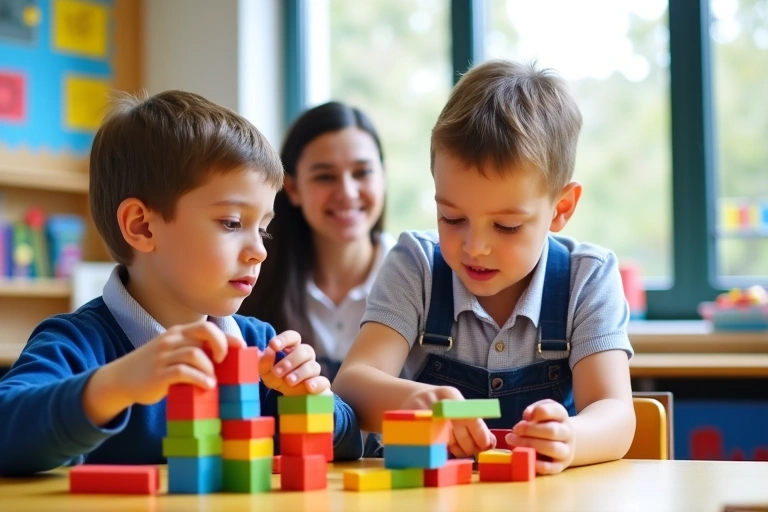
In the bustling environment of a primary school classroom, true learning often happens in fleeting moments. It’s in the quiet concentration of a child finally grasping a new maths concept, the spontaneous collaboration between two friends to build a tower, or the proud exclamation when a new word is used correctly in a sentence. These are the authentic, unscripted sparks of progress that traditional, formal assessments can often miss. The challenge for educators has always been how to capture these valuable moments without adding to an already overwhelming workload. How can we build a true picture of a child’s journey over time, not just a series of static snapshots? The answer lies in a powerful, modern approach: micro-observations.
What Exactly Are Micro-Observations?
Think of micro-observations as small, high-frequency data points that, when collected over time, paint a detailed and dynamic picture of a student's development. Unlike lengthy, formal write-ups, a micro-observation is quick and captured in situ. It could be a 30-second voice note describing how a child approached a tricky puzzle, a photo of a piece of creative writing, or a short video of a group presenting their science experiment. The goal is not to document everything, but to consistently capture meaningful moments that reveal a child’s thinking process, their social interactions, and their engagement with the curriculum. This shift from cumbersome documentation to swift, evidence-based capture is a cornerstone of modern school admin software designed to support, not hinder, great teaching.
By focusing on the small, everyday moments of discovery, we move beyond simply measuring what a child knows and begin to understand how they learn.
This approach allows educators to see the whole child in high resolution. For years, teachers have done this intuitively, but lacked the tools to record it efficiently. Platforms like Parent Portal are changing the game by integrating tools for voice, photo, and video observations directly into the daily workflow. A teacher can record a quick voice note on their device, which is automatically transcribed and can be linked to curriculum objectives, like Development Matters for EYFS or the National Curriculum for Key Stage pupils. This makes the process seamless, turning a potential administrative burden into a powerful teaching tool.
Reducing Teacher Workload, Not Increasing It
The phrase “new initiative” can often be met with a collective groan from staff who are already stretched to their limits. However, the move towards micro-observations, when supported by the right technology, is one of the most effective teacher workload solutions available today. The key is efficiency. Recording a 60-second voice note that captures the rich context of a learning moment is significantly faster than spending 15 minutes after school trying to recall and write up the same event. When this is multiplied across a class of 30 students over a week, the time savings are enormous. This recaptured time can be reinvested into planning, differentiation, and direct interaction with pupils—the parts of the job that make the biggest impact.
• Capture learning moments in seconds with voice notes, photos, and videos.
• Automatically transcribe voice notes, saving hours of typing.
• Allow staff to link observations directly to EYFS and National Curriculum objectives.
• Use an approval workflow to ensure quality before sharing with parents.
• Build a complete, longitudinal learning profile for every single child.
Furthermore, technology amplifies the value of each observation. Instead of notes sitting in a folder, they become part of a dynamic digital profile. This centralised system prevents valuable insights from getting lost and ensures a consistent record of progress follows the child as they move through the school. It’s a prime example of how smart school communication tools can also serve as powerful pedagogical aids.
From Observation to Insight: The Power of AI in Education
Collecting hundreds of observations is only half the battle. The real magic happens when you can analyse that data to reveal patterns, identify trends, and generate actionable insights. This is where Artificial Intelligence is set to revolutionise education, and it’s a key part of what makes the micro-observation method so powerful. Looking ahead to edtech 2025, AI will become an indispensable teaching assistant. Parent Portal’s platform is already at the forefront of this shift. Its AI engine analyses the accumulated voice notes, photos, and written comments for each child. It can identify recurring themes, highlight areas of rapid progress, flag potential learning gaps, and even suggest a child's preferred learning styles based on the context of the observations.
This AI-powered analysis transforms a qualitative dataset into a source of strategic intelligence for the teacher. For example, before a parents' evening, a teacher can review an AI-generated summary of a child’s progress, complete with evidence-based examples drawn directly from the observations. When it’s time to write end-of-term reports, the AI Report Writing Assistant can generate personalised, unique comments for each student based on their specific learning journey, saving teachers dozens of hours while producing higher-quality reports. This isn't about replacing the teacher's professional judgement; it's about augmenting it with powerful tools that handle the heavy lifting of data analysis.
Strengthening the Home-School Connection Through Shared Moments
One of the most profound benefits of the micro-observation approach is its impact on parent engagement. For too long, the classroom has been a black box for parents. They see the homework and the final report card, but they miss the process, the small wins, and the moments of joyful discovery. Sharing curated micro-observations with parents changes everything. A parent receiving a photo of their child successfully working with a group or a short video of them confidently reading aloud feels connected and informed in a way a simple newsletter could never achieve. It builds trust and provides parents with a wonderful window into their child's daily life at school. This shared understanding helps parents support their child's learning at home, creating a virtuous circle of reinforcement. It makes conversations at home richer, moving from “How was school?” to “Your teacher sent a video of your amazing volcano experiment today!”
- C. Davies, Headteacher
With secure sharing and teacher approval workflows, schools retain complete control over what is shared and when. This ensures that communication is always purposeful and professional. By making parents active partners in the observation process, schools foster a supportive community around each child, which is the ultimate goal of any effective school communication tool.
The Future of Assessment is Continuous and Collaborative
The era of relying solely on summative, end-of-unit tests is drawing to a close. The future of assessment is continuous, authentic, and collaborative. Micro-observations, powered by intelligent and intuitive platforms like Parent Portal, represent a significant leap forward. This method provides a richer, more holistic view of student progress, empowers teachers with actionable insights, and dramatically reduces administrative burden. Most importantly, it brings parents into the learning journey, creating a powerful alliance dedicated to helping every child thrive. By embracing these tools, schools are not just updating their software; they are fundamentally enhancing their ability to understand, support, and celebrate every student's unique path of development.
Comments