
Blog
Tips, tools, and insights for modern school life.
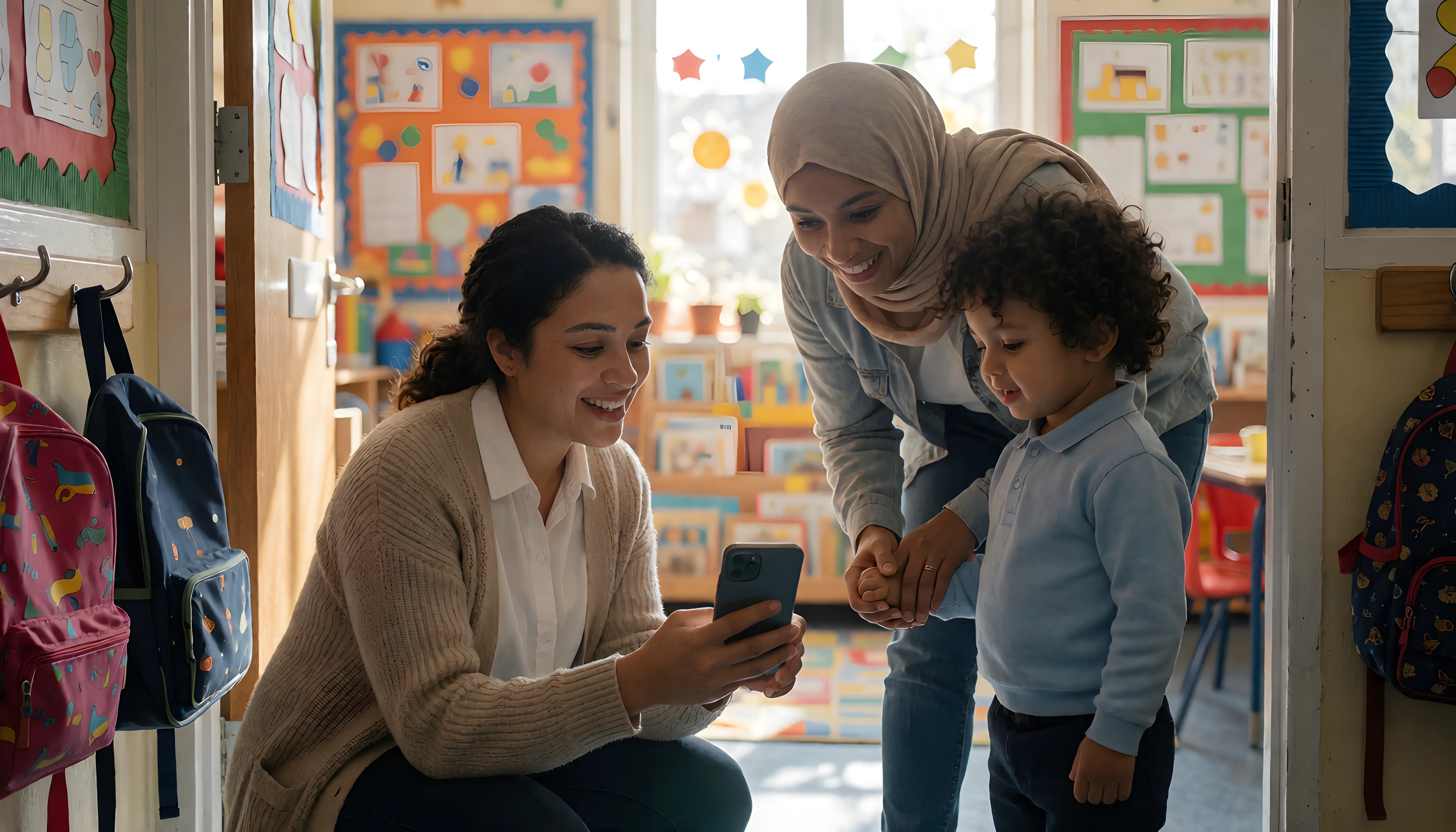
Supporting Parents with English as an Additional Language
Around one in five pupils in England speaks English as an additional language, yet most school communication is still built for fluent English readers. This guide looks at why language barriers quickly become engagement barriers, why translation matters for safeguarding as well as inclusion, and the practical changes teachers and school leaders can make this term. From plain-English writing and automatic message translation to photo and voice observations that cross language lines, we explore how modern school communication tools can reduce teacher workload while bringing every family into the conversation — not just the ones who already feel confident speaking up.
10 h
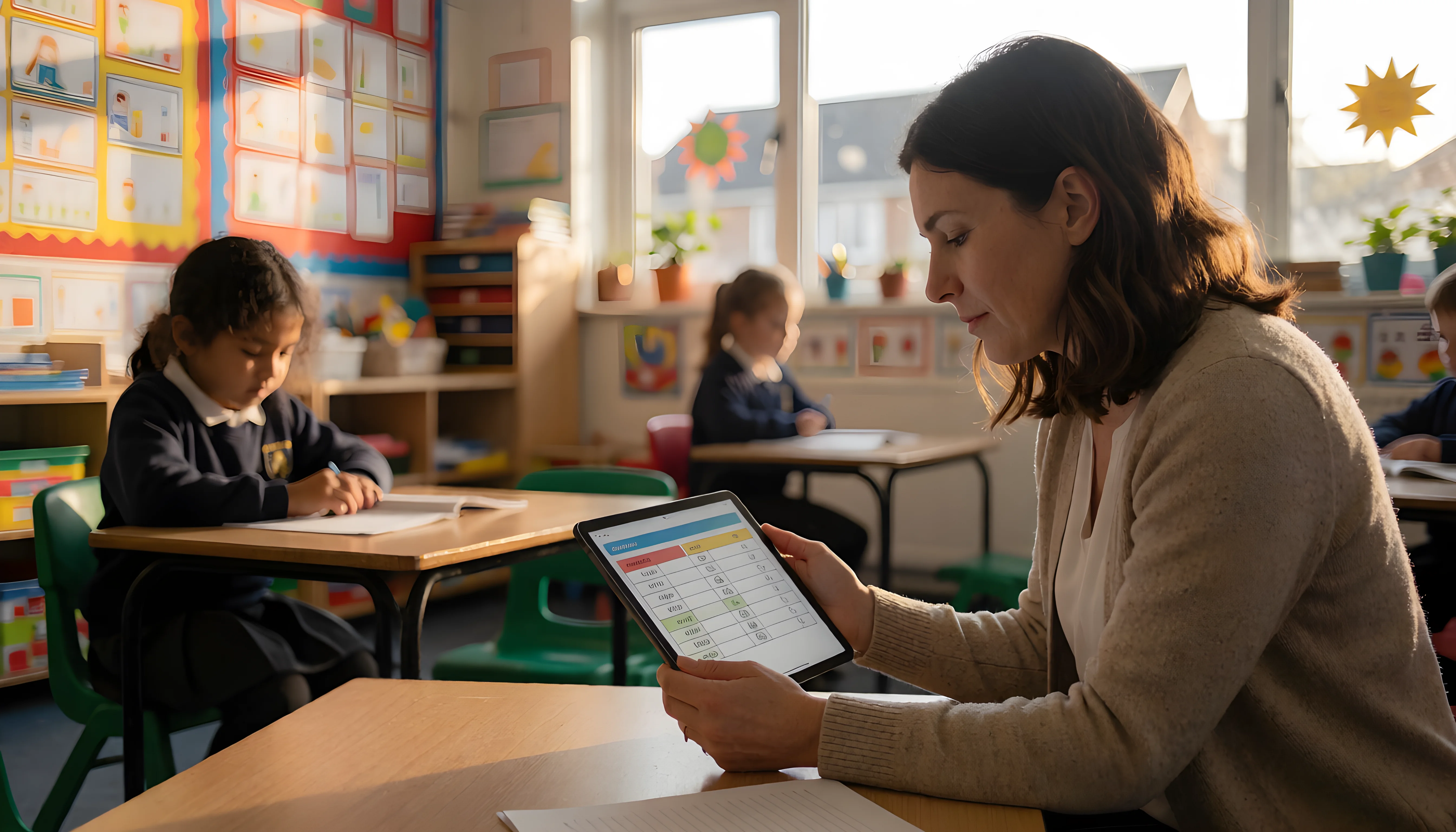
Recognising Warning Signs: Digital Behaviour Tracking
The warning signs that a child is struggling are rarely dramatic. They are small, slow and scattered across different staff, notebooks and conversations — a late mark here, a quieter afternoon there. This guide looks at how digital behaviour tracking helps UK primary schools, nurseries and early years settings join the dots between attendance, behaviour, rewards and classroom observations, so patterns surface weeks earlier. We cover what to log, how to keep it proportionate and GDPR-compliant, how to involve parents early, and how school admin software can strengthen safeguarding while actually reducing teacher workload rather than adding to it.
28th Oct '26

How Micro Observations Strengthen Parent-Teacher Relationships
Micro observations are short, in-the-moment notes, voice recordings, photos and videos that capture a child's learning as it happens. For UK primary schools, nurseries and early years settings, they are quietly transforming the parent-teacher relationship, replacing thin termly updates with a continuous, evidence-rich picture of each child. This guide explores why small moments build deeper trust than long reports, how voice-recorded observations reduce teacher workload rather than adding to it, and how schools can use parent engagement tools and school communication software in 2025 to turn everyday classroom noticing into genuine partnership with families.
27th Oct '26
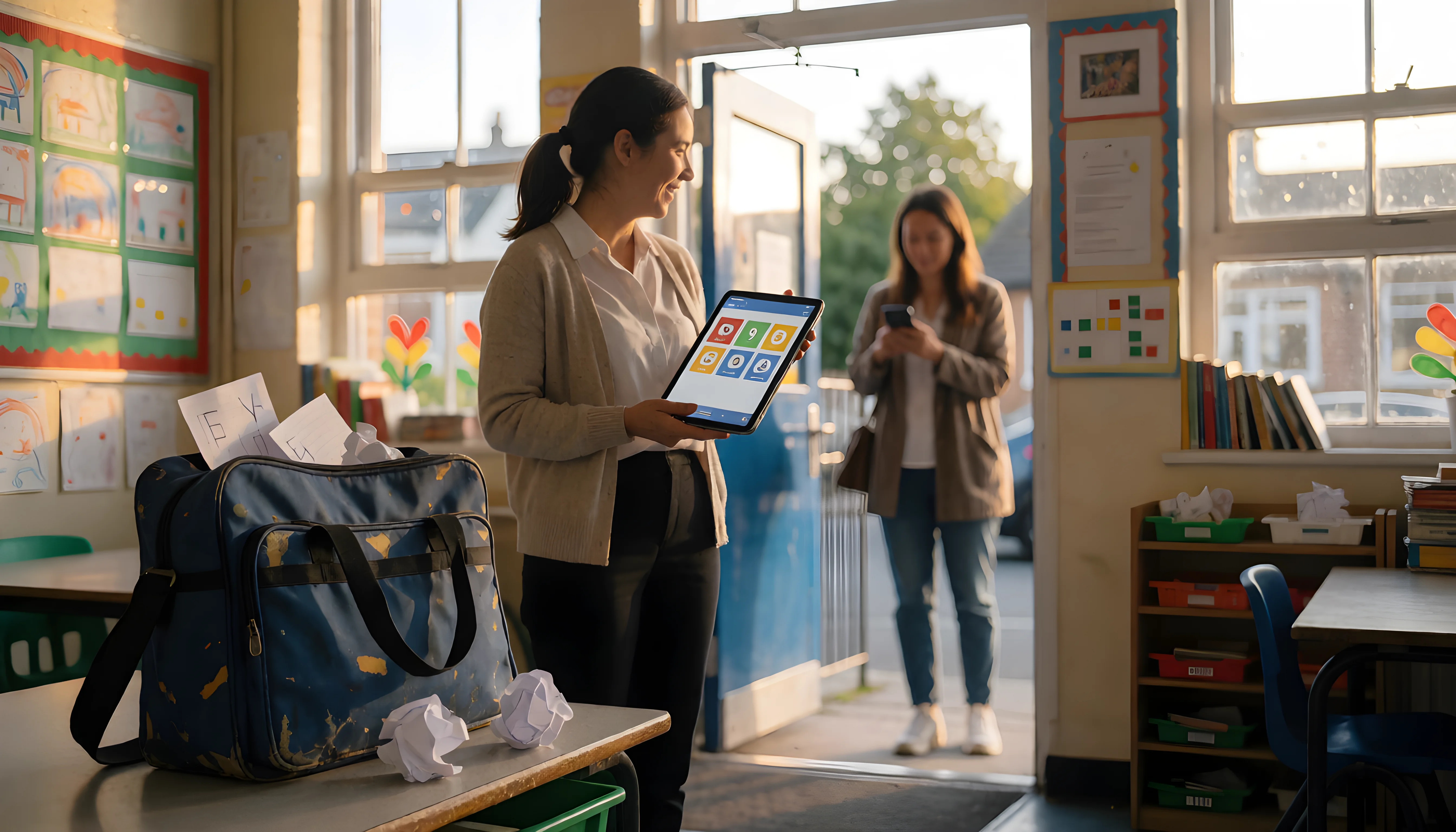
The End of Book Bags: Digital Home-School Communication
For decades, the humble book bag has been the UK primary school's main communication channel — a crumpled, unreliable courier for letters, permission slips and reading records. In 2025, that model is finally breaking down. This post looks at why paper-based home-school communication costs schools time, money and parent engagement, what digital home-school communication actually looks like in practice, and how school communication tools like Parent Portal help reduce teacher workload while giving parents a genuine window into their child's learning. Practical, honest and written for teachers, school leaders and admin staff making edtech decisions this year.
26th Oct '26
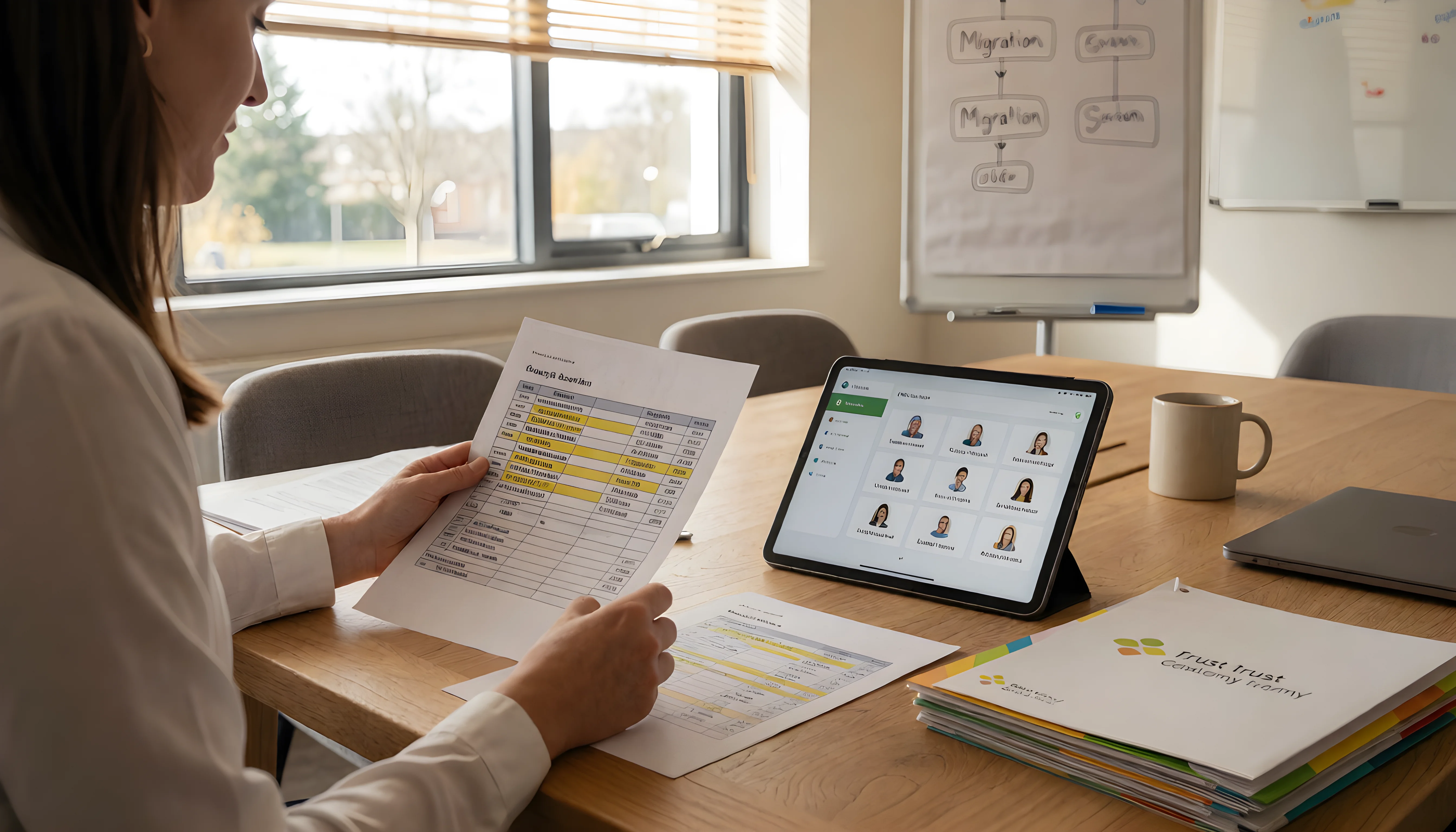
The MAT That Saved £50,000 by Consolidating Systems
Multi-academy trusts rarely scrutinise their software spend the way they scrutinise staffing or energy, yet a patchwork of overlapping subscriptions can quietly cost tens of thousands of pounds a year. This illustrative case study walks through how a six-school trust audited fourteen separate systems, consolidated them into one platform, and freed up around £50,000 annually — plus hundreds of staff hours. It covers where the hidden costs sit, what the consolidation process actually involved, the effect on teacher workload and parent engagement, and a practical framework any school leader or trust business manager can use to run the same audit.
25th Oct '26

Marking Made Simple: Digital Assessment Workflows
Marking is one of the biggest drains on teacher time in UK primary schools, yet much of it adds little to pupil progress. This guide explores how digital assessment workflows change that — capturing evidence in the moment with voice and photo observations, speeding up feedback on homework, linking work to Development Matters and National Curriculum objectives, and turning accumulated data into reports and parents' evening conversations without the usual scramble. Written for teachers, school leaders and administrators, it sets out practical steps for building a sustainable marking culture with school communication tools and AI-assisted assessment in 2025.
24th Oct '26
How Voice Observations Support Target Setting in Reports
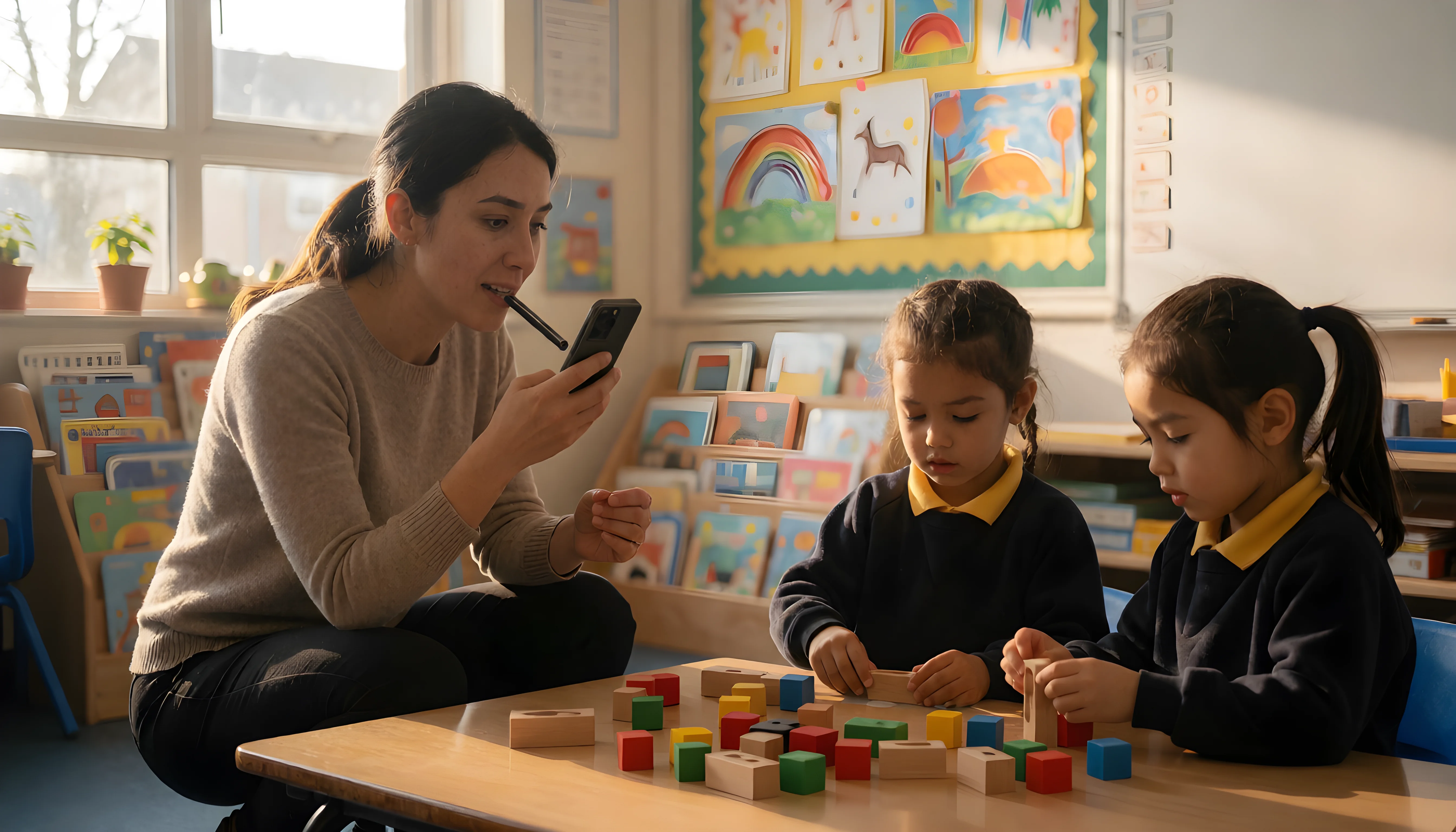
Report season exposes a quiet problem in primary schools: targets written from memory rather than evidence. Voice-recorded observations change that. By capturing 30 to 60 second notes in the moment, teachers build a longitudinal record of how each child actually learns, then turn those patterns into specific, achievable next steps. This guide explains how voice observations strengthen target setting in end-of-term reports, keep targets tied to Development Matters, Early Learning Goals and the National Curriculum, help parents understand what to do at home, and reduce teacher workload at the busiest point in the school year.
23rd Oct '26
Building a Narrative: Telling Each Child's Story Through Voice Notes
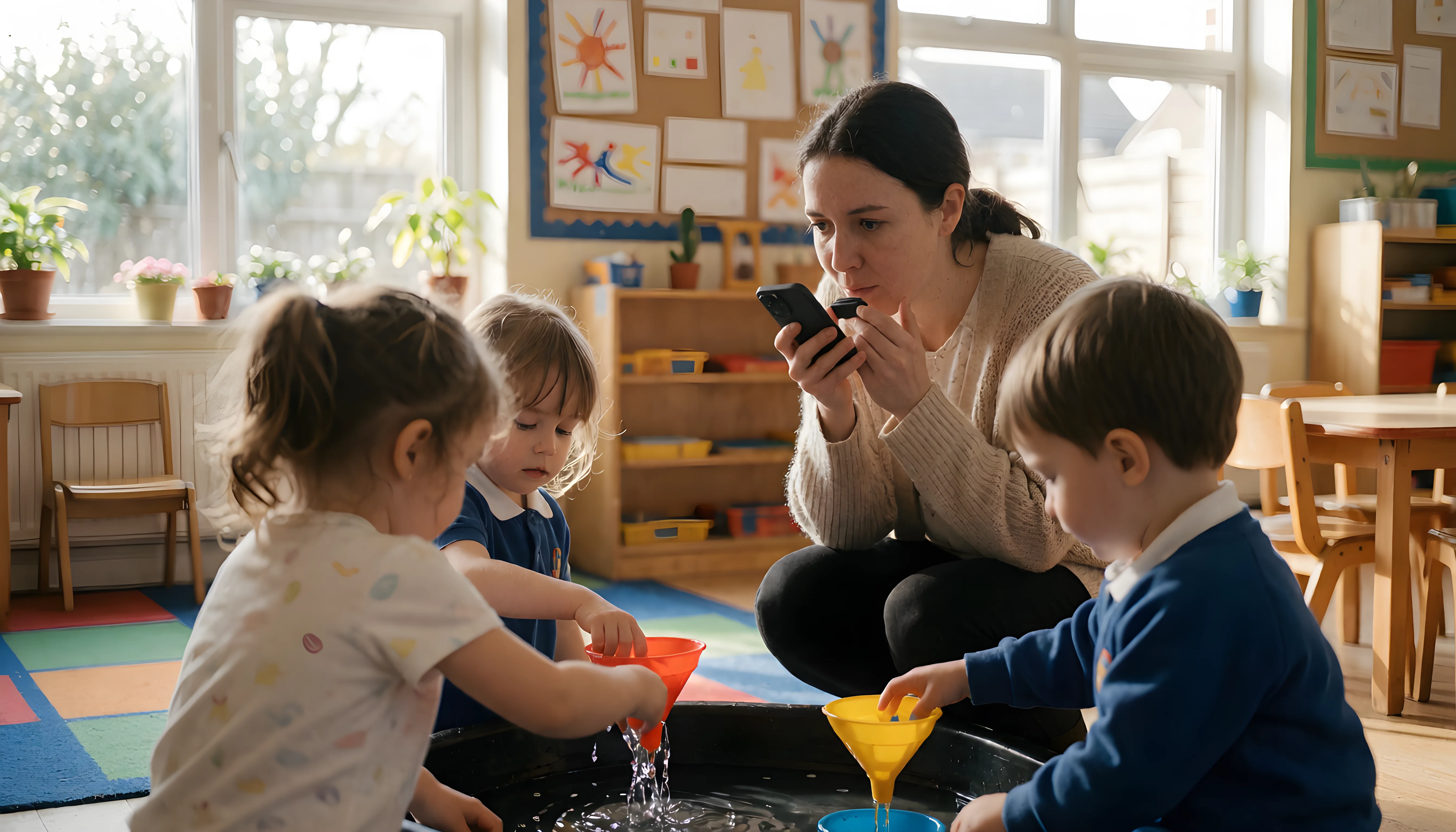
Assessment too often reduces a child to a data point. This guide explores how voice-recorded observations help teachers build a genuine narrative of each child's learning journey — capturing the small moments that spreadsheets miss, turning them into evidence for EYFS and Key Stage judgements, and sharing them meaningfully with families. Learn why 30-second voice notes beat end-of-day typing, how AI progress analysis finds patterns across months of observations, and how a narrative approach strengthens parent engagement, sharpens reports and parents' evenings, and helps reduce teacher workload. Practical advice for teachers, school leaders and admin teams planning their edtech 2025 priorities.
22nd Oct '26

Building Baseline Data Through Consistent Voice Observations
Baseline data should tell you where every child is really starting from — but most schools end up with a rushed snapshot made before staff know the children well enough to judge. This guide explains how consistent 30-60 second voice observations build a far richer, more defensible baseline from day one, how to embed the habit across a team without adding workload, and how accumulated observations feed progress tracking, parents' evenings and reports. Practical, evidence-led advice for EYFS leads, primary teachers and school leaders looking to reduce teacher workload and strengthen parent engagement with modern school admin software.
21st Oct '26

Parent Partnerships in EYFS: Sharing the Learning Journey
Strong parent partnerships sit at the heart of the Early Years Foundation Stage, yet most settings still struggle to share the learning journey in a way that feels alive rather than archived. This guide explores why parent engagement matters so much in EYFS, where traditional learning journals fall short, and how early years teams can use voice observations, photo and video moments, curriculum-linked progress tracking and modern school communication tools to bring families genuinely inside the classroom. Practical, workload-aware advice for nursery managers, reception teachers, EYFS leads and school admin teams rethinking parent engagement for 2025 and beyond.
20th Oct '26